
Choose the outing you can actually manage.
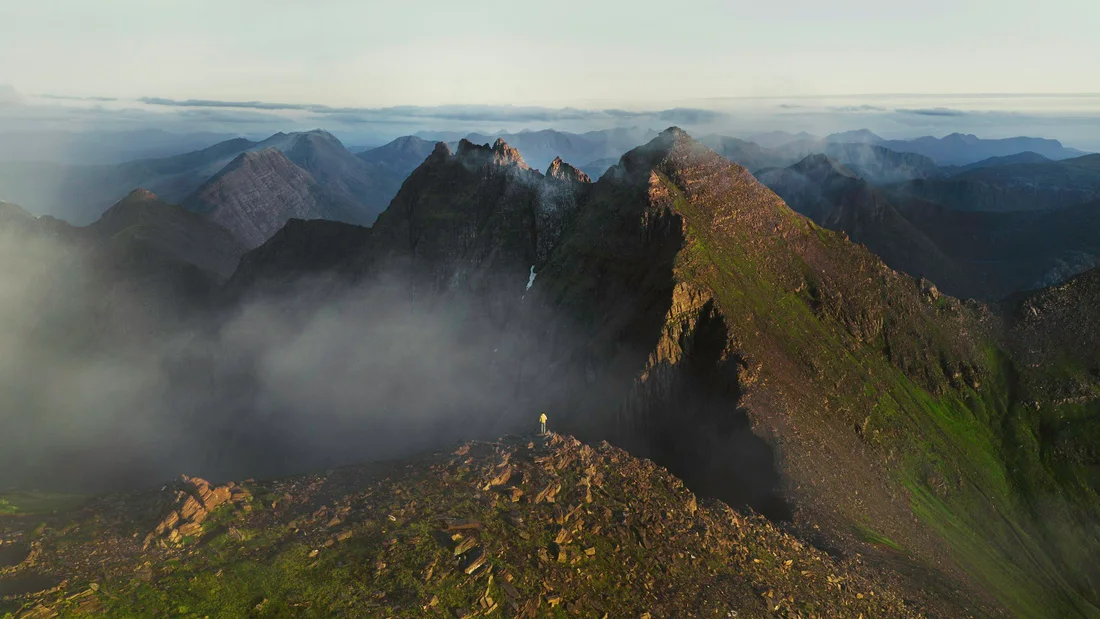
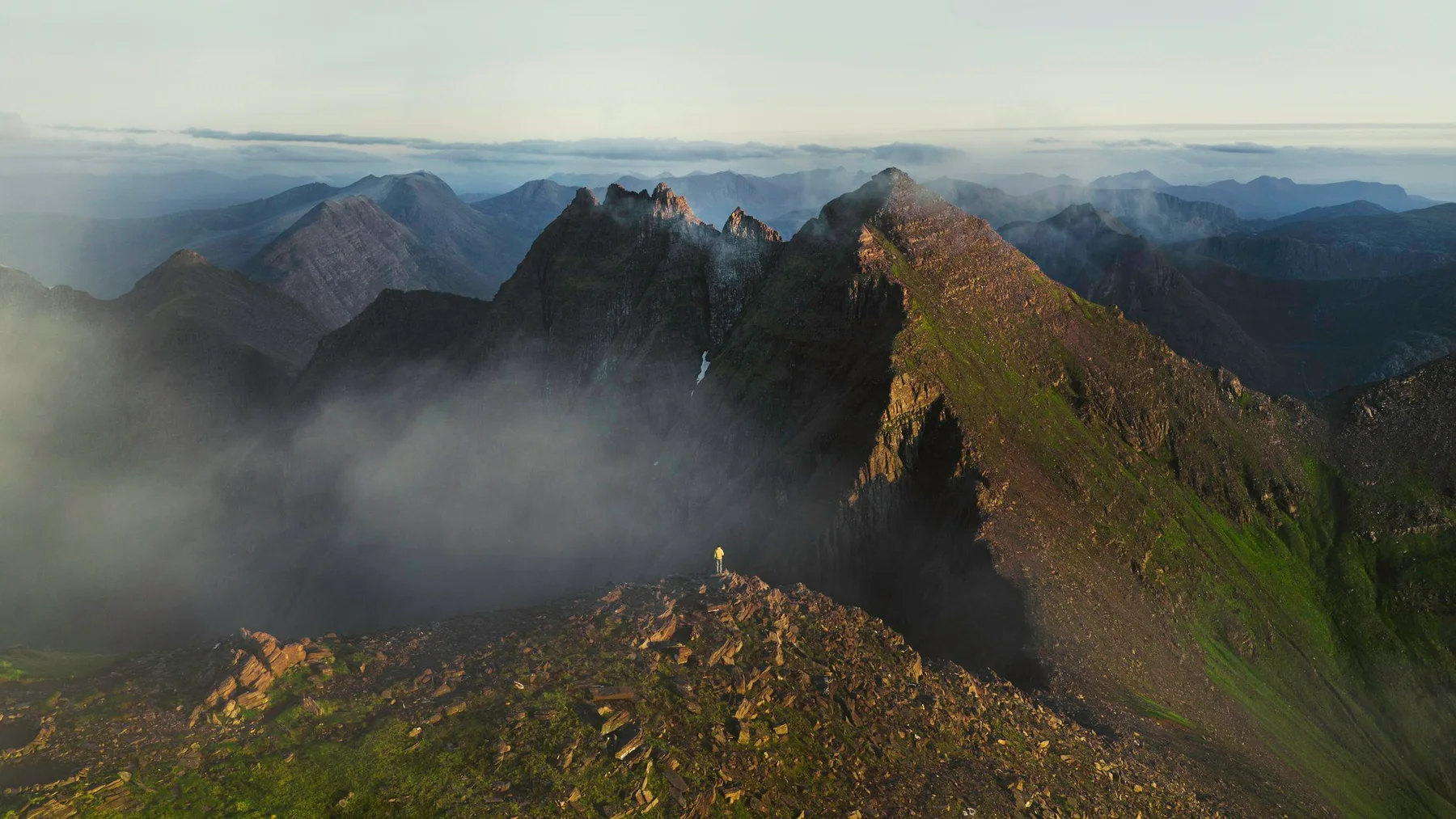
A photograph shows a viewpoint. It rarely shows the route, the exposure, the changing weather, or the effort required to return. Before choosing a mountain outing, learn what the journey involves in both directions.
This guide concerns planning a suitable nontechnical day hike. Climbing, scrambling, snow travel, and other specialist terrain need appropriate training and equipment beyond this article. Be honest about your current experience and the experience of everyone coming with you. A lower, shorter route can be the right choice.
Read current information, not just a saved screenshot.
Check the responsible land manager's route information, closures, trail conditions, and local forecast. Understand the distance, elevation change, surface, and access. If the description is unclear, ask a qualified local source before leaving.
NPS advises matching a hike to the group's abilities and preparing for the actual conditions. Higher elevation can introduce additional health considerations; obtain appropriate advice if your plans or health make that relevant. A familiar distance on a different kind of terrain is not automatically the same outing.
Sources: [2]
Decide what will make you turn around.
Agree on a turnaround time and conditions that would end the hike before you begin. Consider daylight, weather, pace, route uncertainty, and the group's condition. Make the return journey part of the plan from the start.
A deadline is useful only if you are willing to honor it. If you lose time, revise the destination rather than assuming the descent will solve the problem. You can discuss the next attempt after you are safely back. The summit does not need a vote that overrules someone's concern.
Give weather the authority it deserves.
NWS states that there is no safe place outside during a thunderstorm. A substantial building or a closed, hard-topped vehicle offers protection; a tent or small outdoor shelter does not. Plan with enough margin to avoid being trapped far from safe shelter.
If thunder or threatening conditions develop, act promptly according to an appropriate local safety plan. Do not keep climbing because the sky looked better when you started. After a storm, NWS recommends waiting at least 30 minutes after the last thunder before resuming outdoor activity.
Sources: [3]
Carry what the return may require.
Use the NPS Ten Essentials as a starting framework for navigation, light, clothing, first aid, food, water, and other preparation, then adapt to the route and local guidance. Equipment should be something you know how to use.
Leave your itinerary and expected return with a trusted person. Understand communication limitations. A phone is useful, but coverage and battery life are not guaranteed. Consider what the group will do if the route becomes unclear or someone cannot continue as planned.
Make getting home a shared success.
Check in with the group without making slower movement an embarrassment. Let people name uncertainty early. A responsible outing leaves room for changing the plan together.
Afterward, discuss one decision that helped and one thing to prepare differently. The mountain will still be there. Your job is to build enough judgment to choose another good day to return.
TAKE IT WITH YOU
Before leaving, agree on the route, return plan, weather limits, and conditions for turning around.
General planning for nontechnical hikes. Follow local expertise and current conditions; this is not mountaineering, wilderness medicine, or emergency training.
Sources & further reading
Original editorial guidance, informed by the sources below. Prepared with AI assistance; not clinically reviewed.
- Ten Essentials National Park Service · Accessed 2026-10-28
- Hike Smart National Park Service · Accessed 2026-10-28
- Lightning Safety and Outdoor Sports Activities National Weather Service · Accessed 2026-10-28